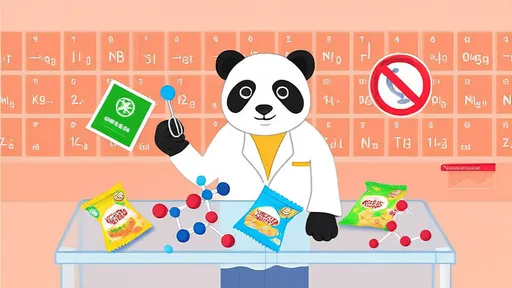
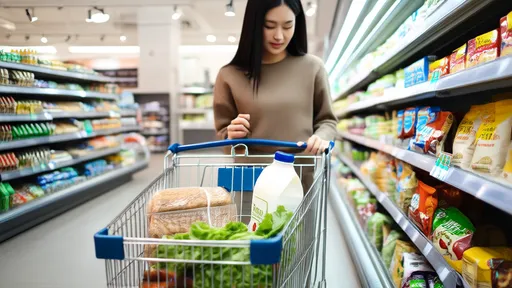
As parents navigate the colorful aisles of supermarket snacks, few realize they're essentially decoding a chemical alphabet soup. The modern children's snack industry relies heavily on additives - some harmless, others questionable - that quietly make their way into lunchboxes and after-school treats. Understanding these ingredients has become a crucial skill for health-conscious caregivers.
The rainbow deception begins with artificial colors, those vibrant hues that make snacks visually appealing to young eyes. While European regulators have required warning labels on certain synthetic dyes linked to hyperactivity, many other countries still allow them freely. The telltale signs include ingredients like Red 40, Yellow 5, or Blue 1 lurking in fruit snacks, candies, and even seemingly innocent cereals. Natural alternatives exist, but they often cost manufacturers a few cents more per unit.
Flavor enhancers represent another hidden frontier. MSG (monosodium glutamate) has earned notoriety, but its chemical cousins like yeast extract or disodium guanylate frequently appear in savory snacks. These compounds trick taste buds into perceiving more umami richness than actually exists in the food. The result? Children develop preferences for hyper-palatable processed foods over natural flavors.
Preservatives might be the most paradoxical category. While they prevent spoilage and foodborne illness, compounds like BHA, BHT, and sodium benzoate raise eyebrows among toxicologists. These chemicals often appear in shelf-stable snacks that can last for months without refrigeration. The convenience comes at a potential cost - some studies suggest certain preservatives may disrupt endocrine function or contribute to oxidative stress in developing bodies.
Emulsifiers and stabilizers complete the modern snack's chemical profile. Ingredients like polysorbate 80 or carrageenan help maintain texture and prevent separation in creamy snacks and dairy products. While generally recognized as safe, emerging research indicates these additives might alter gut microbiota - particularly concerning for children whose digestive and immune systems are still maturing.
The label literacy challenge stems from both intentional obfuscation and genuine complexity. Marketing terms like "natural flavors" can legally contain synthetic components, while "no artificial preservatives" might mask the use of concentrated vinegars or citrus extracts that serve the same purpose. Even the order of ingredients tells a story - that "organic cane sugar" appearing as the third item still means sugar dominates the product.
Seasoned parents develop tricks for navigating this maze. They know to watch for multiple forms of sweeteners lumped separately in ingredient lists (evaporated cane juice, rice syrup, and fruit concentrate might appear in the same product). They recognize that "made with real fruit" could mean a 2% fruit content. Most importantly, they understand that shorter ingredient lists generally indicate less processed options.
Regional differences in food regulations create additional confusion. A snack deemed safe in one country might contain additives banned elsewhere. Titanium dioxide, a whitening agent still permitted in American snacks, received a European ban over genotoxicity concerns. This regulatory patchwork leaves parents researching not just ingredients, but geopolitical food policies.
The health implications remain hotly debated. While some scientists argue typical additive exposure falls within safe limits, others counter that cumulative effects and combination risks remain understudied - especially for children. Developing metabolic systems, smaller body mass, and years of potential exposure create a different risk calculus than for adults.
Practical solutions exist for time-strapped parents. Choosing whole food snacks requires no label reading at all. When packaged snacks are necessary, prioritizing those with certifications like USDA Organic or Non-GMO Project Verified automatically eliminates many problematic additives. Even then, moderation remains key - the dose makes the poison, as toxicologists say.
Educational initiatives are empowering a new generation of label-savvy parents. Pediatric nutritionists now routinely include additive awareness in well-child visits. Some schools have incorporated label-reading into health curricula. This knowledge democratization helps families make informed choices without requiring chemistry degrees.
The snack industry shows tentative signs of responding to consumer demand. Clean-label reformulations have removed some controversial additives from major brands, though replacements aren't always thoroughly tested. This creates a moving target for concerned parents - today's "safe" alternative might become tomorrow's controversy.
Psychological factors complicate the matter further. Children form powerful emotional attachments to certain snack foods, making sudden substitutions challenging. The balance between protecting health and creating food anxiety requires nuance. Many families adopt gradual transition approaches, slowly introducing cleaner alternatives while phasing out additive-laden favorites.
Budget considerations can't be ignored either. Additive-free snacks often carry premium price tags, creating socioeconomic disparities in access to cleaner foods. This reality has sparked policy debates about whether food safety should be a luxury or a universal standard.
Looking ahead, technology may provide solutions. Smartphone apps that scan and decode labels are becoming more sophisticated. Some even personalize recommendations based on a child's specific health considerations. These tools help bridge the gap between complex food science and practical parenting decisions.
The conversation around snack additives ultimately reflects broader societal values. It asks how much risk we're willing to accept in exchange for convenience, how thoroughly we should test chemicals before introducing them to children's diets, and who bears responsibility for making these determinations. As research evolves, so too will our understanding of how these tiny ingredients shape growing bodies and minds.
For now, informed vigilance offers the best path forward. By understanding common additives, their potential effects, and available alternatives, parents can navigate the snack landscape with greater confidence. The goal isn't perfection - an impossible standard - but rather conscious, educated choices that balance practicality with protection of our children's health.
By /Jul 28, 2025

By /Jul 28, 2025
By /Jul 28, 2025
By /Jul 28, 2025

By /Jul 28, 2025

By /Jul 28, 2025
By /Jul 28, 2025
By /Jul 28, 2025

By /Jul 21, 2025

By /Jul 28, 2025
By /Jul 28, 2025

By /Jul 28, 2025
By /Jul 28, 2025
By /Jul 28, 2025
By /Jul 28, 2025

By /Jul 28, 2025

By /Jul 28, 2025

By /Jul 28, 2025

By /Jul 28, 2025
By /Jul 28, 2025
