Microwave cooking has become an indispensable part of modern kitchens, offering convenience and speed. However, concerns about nutrient loss during the process often arise. Understanding how to preserve nutritional value while using this appliance is crucial for health-conscious individuals. The principles of nutrient protection in microwave heating revolve around time, moisture, container choice, food arrangement, and post-heating handling.
The Science Behind Microwave Heating
Microwaves work by emitting non-ionizing radiation that causes water molecules in food to vibrate, generating heat through friction. Unlike conventional methods that rely on external heat transfer, this internal heating mechanism can actually help preserve certain nutrients. Water-soluble vitamins like vitamin C and B-complex are particularly vulnerable to degradation, but shorter cooking times in microwaves may reduce their loss compared to prolonged boiling or frying.
Moisture Control Matters
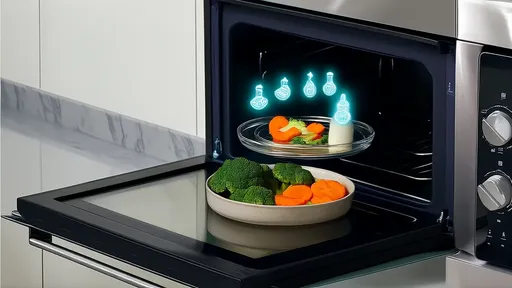
Proper moisture management plays a pivotal role in nutrient retention. While some moisture is necessary for even heating, excessive water can lead to nutrient leaching. Steaming vegetables with just a tablespoon of water in a covered container proves more effective than submerging them in water. The steam created helps cook food gently while minimizing contact with water that could carry away valuable nutrients.
Choosing the Right Containers
Container selection significantly impacts both safety and nutrient preservation. Glass and ceramic options maintain food quality better than plastic, which might release harmful compounds when heated. Microwave-safe covers help retain steam and heat evenly without creating pressure buildup. Avoiding metal containers is essential as they reflect microwaves and can cause uneven cooking or even damage the appliance.
The Importance of Food Arrangement
How food is arranged in the microwave affects how evenly it cooks. Placing thicker portions toward the outside of the turntable and thinner sections toward the center promotes uniform heating. Stirring or rearranging food halfway through cooking prevents cold spots where bacteria might survive while avoiding overheating other areas that could lead to nutrient breakdown.
Timing is Critical
Overheating remains the primary culprit in nutrient destruction. Following recommended cooking times and using lower power settings for longer durations often yields better results than blasting food at maximum power. The residual heat that continues cooking after microwaving stops should be factored in, especially for delicate foods like vegetables that can quickly become overcooked.
Post-Heating Considerations
How food is handled after microwaving completes the nutrient preservation process. Allowing standing time lets heat distribute evenly without additional cooking. Immediate consumption prevents nutrient degradation that occurs when food sits at high temperatures for extended periods. Quick cooling methods like placing cooked vegetables in ice water can halt the cooking process and preserve color and texture.
Comparing Cooking Methods
When compared to conventional methods, microwave cooking often comes out ahead in nutrient retention studies. The shorter cooking times and reduced need for cooking water help maintain vitamins and minerals that might otherwise be lost. However, some nutrients like certain antioxidants may respond better to traditional methods, highlighting the importance of varying cooking techniques.
Special Considerations for Different Foods
Various food categories require specific approaches. Vegetables benefit from minimal water and shorter cooking times, while meats need proper internal temperature verification. Dairy products demand careful heating to prevent protein denaturation. Understanding these differences allows for optimal nutrient preservation across all food groups when using microwave technology.
Debunking Microwave Myths
Contrary to popular belief, microwaves don't make food radioactive nor do they destroy nutrients more than other cooking methods. The notion that microwaves cook from the inside out is also misleading - penetration depth depends on food composition and microwave frequency. Separating fact from fiction helps users make informed decisions about microwave usage.
Practical Tips for Everyday Use
Simple habits can maximize nutritional benefits. Cutting food into uniform sizes promotes even cooking. Using microwave-safe covers instead of plastic wrap eliminates chemical contamination risks. Rotating and stirring food during cooking prevents hot spots. These small adjustments in daily practice can significantly impact the nutritional quality of microwave-prepared meals.
The Future of Microwave Technology
Advancements in microwave technology continue to address nutrient preservation concerns. Inverter microwaves provide more consistent power delivery, while sensor cooking automatically adjusts time and power based on moisture detection. These innovations promise even better nutrient retention as the technology evolves to meet health-conscious consumers' needs.
Mastering microwave cooking for optimal nutrient preservation involves understanding the appliance's capabilities and limitations. By controlling moisture, selecting proper containers, arranging food strategically, timing carefully, and handling food appropriately after heating, home cooks can enjoy both convenience and nutritional benefits. As research continues and technology improves, the microwave's role in healthy cooking will likely expand, offering new possibilities for quick, nutritious meal preparation.
By /Jul 28, 2025

By /Jul 28, 2025
By /Jul 28, 2025

By /Jul 28, 2025

By /Jul 28, 2025

By /Jul 28, 2025
By /Jul 28, 2025
By /Jul 28, 2025
By /Jul 21, 2025
By /Jul 28, 2025

By /Jul 28, 2025

By /Jul 28, 2025
By /Jul 28, 2025

By /Jul 28, 2025
By /Jul 28, 2025

By /Jul 28, 2025

By /Jul 28, 2025

By /Jul 28, 2025

By /Jul 28, 2025

By /Jul 28, 2025
