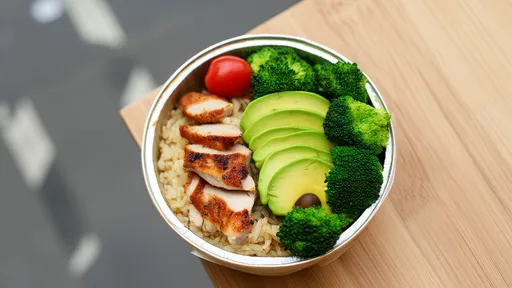
We’ve all been there—staring at last night’s dinner, wondering whether it’s still safe to eat. Leftovers can be a convenient way to save time and reduce food waste, but improper storage or extended refrigeration can turn them into a breeding ground for bacteria. Understanding the safety window for different types of cooked foods is crucial to avoiding foodborne illnesses while making the most of your meals.
Why Do Leftovers Spoil?
Food spoilage occurs due to bacterial growth, oxidation, and enzymatic reactions. Cooked foods, while initially sterile from heat, become vulnerable once they cool down. Bacteria such as Salmonella, Listeria, and E. coli can multiply rapidly when food is stored at unsafe temperatures (between 40°F and 140°F, known as the "danger zone"). Moisture content, acidity, and protein density also play a role in how quickly food degrades.
Refrigeration slows bacterial growth but doesn’t stop it entirely. Freezing, on the other hand, can preserve food for months, though texture and flavor may suffer over time. The key is knowing which foods are more perishable and how to store them properly to extend their shelf life.
General Guidelines for Leftover Safety
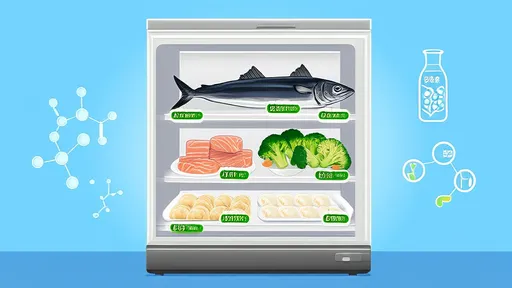
Most cooked dishes remain safe in the refrigerator for three to four days. This includes staples like roasted meats, casseroles, soups, and cooked vegetables. However, some foods have shorter or longer lifespans. For example, cooked rice and seafood should be consumed within one to two days due to higher risks of bacterial contamination, while hard cheeses or fermented foods may last weeks.
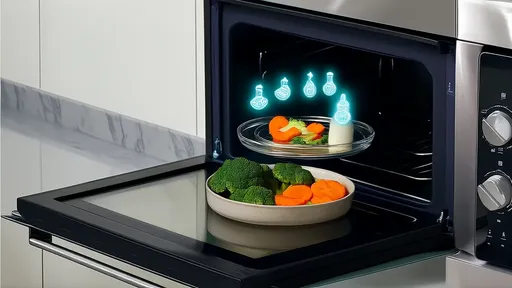
Reheating leftovers properly is just as important as storage. Foods should reach an internal temperature of 165°F to kill any lingering bacteria. Stirring soups or sauces ensures even heating, while covering dishes helps retain moisture. Avoid reheating food more than once, as each cycle increases the risk of contamination.
High-Risk Leftovers: What to Watch For
Certain foods demand extra caution. Seafood, particularly shellfish, loses freshness quickly and can harbor harmful pathogens if left too long. Dairy-based dishes, like creamy pasta or quiches, are prone to souring and should be eaten within two to three days. Grains, especially rice, may contain Bacillus cereus, a heat-resistant bacteria that can survive cooking and cause food poisoning if left at room temperature for extended periods.
Fried foods, while less prone to bacterial growth, often become soggy and unappetizing after a day. If you must store them, use an airtight container with a paper towel to absorb excess moisture. Deli meats and pre-cooked sausages should also be consumed quickly, as processed meats can develop listeria if stored improperly.
Freezing for Longevity
For those who meal prep or cook in bulk, freezing is an excellent way to extend the life of leftovers. Most cooked foods can last two to six months in the freezer without significant quality loss. Soups, stews, and braised meats freeze particularly well, while dishes with high water content (like salads or fresh herbs) don’t fare as well.
To freeze effectively, portion food into airtight containers or heavy-duty freezer bags, removing as much air as possible. Labeling with dates prevents guesswork later. When thawing, transfer food to the refrigerator overnight rather than leaving it at room temperature, where bacteria can thrive.
Trust Your Senses
While timeframes provide a helpful guideline, your senses are the best tool for assessing leftovers. Off smells, slimy textures, or unusual colors are clear indicators that food has gone bad. Mold growth—even in small patches—means the entire dish should be discarded, as toxins can spread beyond visible areas.
When in doubt, err on the side of caution. No amount of reheating can salvage food that’s already spoiled. By combining safe storage practices with attentive observation, you can enjoy leftovers without compromising health.

By /Jul 28, 2025

By /Jul 28, 2025
By /Jul 28, 2025
By /Jul 28, 2025

By /Jul 28, 2025

By /Jul 28, 2025
By /Jul 28, 2025
By /Jul 28, 2025
By /Jul 21, 2025
By /Jul 28, 2025

By /Jul 28, 2025

By /Jul 28, 2025
By /Jul 28, 2025
By /Jul 28, 2025
By /Jul 28, 2025

By /Jul 28, 2025

By /Jul 28, 2025

By /Jul 28, 2025

By /Jul 28, 2025
By /Jul 28, 2025
