When it comes to athletic performance and injury prevention, the type of footwear you choose plays a critical role. Not all shoes are created equal, and understanding the protective qualities of different shoe types can help athletes and fitness enthusiasts make informed decisions. Whether you're a runner, a basketball player, or someone who enjoys casual workouts, the right shoe can mean the difference between peak performance and a sidelining injury.
The Science Behind Shoe Protection
Footwear design has evolved significantly over the years, with manufacturers incorporating advanced materials and technologies to enhance protection. The midsole, for instance, is often made from ethylene-vinyl acetate (EVA) or polyurethane, which provides cushioning to absorb impact. Outsoles with deep treads offer better traction, reducing the risk of slips and falls. Additionally, motion control features in some shoes help correct overpronation or supination, which can lead to long-term joint issues if left unaddressed.
Research has shown that shoes with proper arch support can alleviate stress on the plantar fascia, reducing the likelihood of conditions like plantar fasciitis. Similarly, reinforced toe boxes and heel counters provide stability, protecting against sprains and fractures. The key takeaway is that a shoe's protective capabilities are determined by its construction, materials, and how well it aligns with the wearer's biomechanics.
Running Shoes: Balancing Cushioning and Responsiveness
Running shoes are perhaps the most studied category when it comes to athletic footwear. They are typically divided into three main types: neutral, stability, and motion control. Neutral shoes are designed for runners with efficient biomechanics, offering balanced cushioning without excessive support. These shoes excel in shock absorption, making them ideal for long-distance runners who need to minimize joint stress.
Stability shoes, on the other hand, cater to runners who exhibit mild to moderate overpronation. They feature dual-density midsoles and structured arches to guide the foot into a more neutral position. This design reduces the risk of injuries like shin splints and IT band syndrome. Motion control shoes are the most rigid, targeting severe overpronators. Their sturdy build limits excessive inward rolling of the foot, providing maximum protection for those with significant biomechanical issues.
Basketball Shoes: Ankle Support and Impact Protection
Basketball involves rapid lateral movements, jumps, and sudden stops, all of which place immense stress on the feet and ankles. High-top basketball shoes are engineered to address these demands by offering superior ankle support. The extended collar wraps around the ankle, reducing the risk of sprains—a common injury in the sport. Many models also incorporate air or gel cushioning systems to absorb the impact of frequent jumps.
The outsoles of basketball shoes are another critical feature. They are typically made from durable rubber with herringbone or multidirectional patterns to ensure grip on indoor courts. Without proper traction, players risk slipping, which can lead to acute injuries. Some high-end models even include torsion systems to enhance midfoot stability, further safeguarding against twists and turns during gameplay.
Cross-Training Shoes: Versatility for Multi-Directional Movements
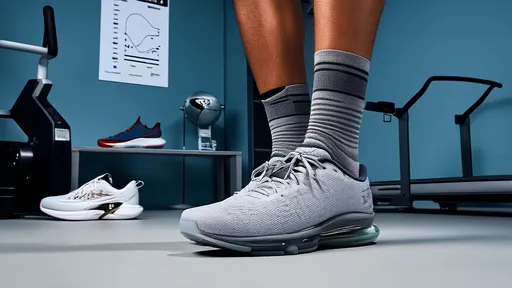
Unlike running or basketball shoes, cross-training shoes are designed for a variety of activities, from weightlifting to agility drills. Their protective qualities lie in their versatility. A good cross-trainer will have a flat, stable sole to support heavy lifts while still offering enough cushioning for plyometric exercises. The upper is often reinforced to withstand lateral movements, preventing the foot from sliding inside the shoe.
One of the standout features of cross-training shoes is their wide base, which enhances balance during strength training. This design reduces the risk of ankle rolls, a common issue when lifting weights in unstable footwear. Additionally, the materials used in these shoes are often more durable to endure the rigors of high-intensity workouts, making them a reliable choice for those who engage in diverse training regimens.
Minimalist Shoes: A Double-Edged Sword
Minimalist shoes have gained popularity among athletes seeking a more "natural" feel. These shoes are lightweight, flexible, and often lack the cushioning and support found in traditional athletic footwear. Proponents argue that they promote better foot strength and proprioception, which can reduce injury risk over time. However, the lack of protection also means they aren't suitable for everyone.
Runners transitioning to minimalist shoes too quickly often experience stress fractures or Achilles tendonitis due to the increased load on their feet and lower legs. For this reason, experts recommend a gradual adaptation period to allow the muscles and tendons to strengthen. While minimalist shoes can offer benefits, their protective index is significantly lower compared to more structured options, making them a niche choice rather than a universal solution.
Conclusion: Matching Footwear to Activity and Physiology
Selecting the right shoe isn't just about brand or aesthetics—it's about finding a model that aligns with your activity and physiological needs. A shoe's protective qualities are a culmination of its design, materials, and intended use. Runners should prioritize cushioning and stability, basketball players need ankle support and traction, and cross-trainers benefit from versatility and durability. Even minimalist shoes have their place, provided the wearer understands the trade-offs involved.
Ultimately, the best way to determine the right shoe is to consult with a specialist who can analyze your gait and recommend options tailored to your needs. Investing in the right footwear is an investment in your long-term athletic health, ensuring you stay active and injury-free for years to come.

By /Jul 28, 2025

By /Jul 28, 2025

By /Jul 28, 2025

By /Jul 28, 2025
By /Jul 28, 2025

By /Jul 28, 2025

By /Jul 28, 2025

By /Jul 28, 2025
By /Jul 21, 2025
By /Jul 28, 2025

By /Jul 28, 2025

By /Jul 28, 2025

By /Jul 28, 2025

By /Jul 28, 2025

By /Jul 28, 2025
By /Jul 28, 2025
By /Jul 28, 2025
By /Jul 28, 2025
By /Jul 28, 2025

By /Jul 28, 2025
