In the quest for healthier eating habits, reducing sodium intake has become a priority for many households. However, the challenge lies in maintaining the rich, satisfying flavors that make food enjoyable. The good news is that with the right techniques and ingredient swaps, it's entirely possible to create delicious meals that are lower in salt without sacrificing taste.
The Science Behind Salt and Flavor
Salt has long been the cornerstone of culinary traditions worldwide, and for good reason. It doesn't just make food taste salty – it enhances other flavors, balances bitterness, and can even make sweet dishes taste sweeter. This multifaceted role makes salt seem irreplaceable, but understanding how it works allows us to find clever alternatives.
When we reduce sodium, we're not just removing a flavor – we're changing how all the other flavors interact. The key is to compensate by building depth through other means. This might mean incorporating more umami-rich ingredients, using cooking techniques that develop natural flavors, or introducing new textures that make dishes more satisfying.
Building Flavor Without the Shaker
One of the most effective ways to reduce reliance on salt is to maximize the natural flavors in ingredients. Slow-roasting vegetables, for instance, caramelizes their natural sugars and creates complex flavors that need little enhancement. Similarly, properly browning meats creates hundreds of new flavor compounds through the Maillard reaction.
Fresh herbs are another powerful tool. Unlike dried herbs which often need salt to "wake them up," fresh basil, cilantro, dill and others bring vibrant flavors that stand on their own. Citrus zest and juices provide brightness that can make up for reduced salt, while vinegars and wines add acidity that perks up the palate.
The Umami Solution
Umami, known as the fifth taste, provides the savory depth that often makes salty foods so satisfying. Ingredients naturally rich in umami can help compensate for reduced sodium. Mushrooms, especially dried varieties like shiitake, contain glutamates that enhance savoriness. Tomato paste, when cooked until it deepens in color, becomes an umami powerhouse.
Fermented products like miso paste, fish sauce (used sparingly), and nutritional yeast can add this savory quality without excessive sodium. Even something as simple as sautéing onions until they're deeply caramelized develops natural umami compounds that make dishes more satisfying.
Texture and Temperature Tricks
Our perception of flavor isn't just about taste – it's multisensory. Crispy, crunchy textures can make food seem more flavorful by providing contrast. Adding toasted nuts or seeds, crispy fried shallots, or crunchy vegetables can make a dish more exciting without extra salt.
Temperature also plays a role. Chilled foods often require more seasoning to taste flavorful, while warm foods release more aromas. Serving some components warm and others cool in the same dish creates contrast that keeps the palate interested. A cool yogurt sauce with warm spiced vegetables, for example, can taste perfectly seasoned even with less salt.
Strategic Use of Salt
When you do use salt, make it count. Flaky sea salt sprinkled on at the end provides bursts of salinity that seem more pronounced than salt dissolved during cooking. Using smaller-grained salt ensures even distribution so you need less overall. Salting in layers – a little during cooking and a touch at the end – can be more effective than adding it all at one stage.
Consider the saltiness of other ingredients too. Many pantry staples like canned beans, stocks, and condiments contain sodium. Using these means you can reduce or eliminate added salt. Rinsing canned beans and choosing low-sodium versions of products gives you more control over the total sodium content.
Global Inspiration for Low-Salt Cooking
Cuisines from around the world offer excellent examples of flavorful low-sodium cooking. Indian cuisine uses complex spice blends that create depth without relying on salt. Thai cooking balances sweet, sour, spicy and herbal notes that make salt less crucial. Mediterranean dishes showcase how olive oil, garlic, and lemon can create vibrant flavors.
Exploring these traditions can provide new ideas for reducing salt while keeping meals exciting. Many traditional cooking methods were developed before salt was widely available, showing how cultures created satisfying flavors through other means.
The Palate Adjustment Period
It's important to recognize that taste buds adapt over time. As you gradually reduce salt, your sensitivity to it increases, meaning you'll start to appreciate more subtle flavors. This process typically takes a few weeks. During this transition, focusing on all the new flavors you're introducing – rather than what you're removing – can help make the change more positive.
Drinking plenty of water also helps reset the palate between bites, allowing you to taste food more clearly. Eating more mindfully – slowing down and paying attention to flavors – can make meals more satisfying even with less salt.
Practical Tips for Everyday Cooking
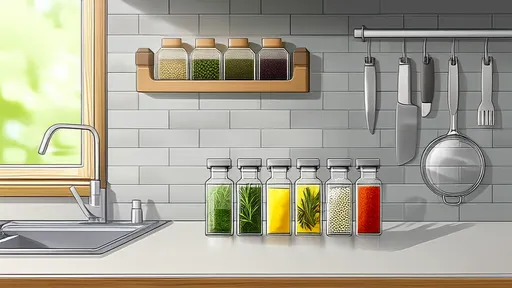
Start by reducing added salt in recipes by about 25% – this small change is often unnoticeable. Keep a pepper grinder and good-quality spices handy to add interest. Make your own spice blends without salt to have flavorful options ready. When possible, cook from scratch rather than using processed ingredients where salt content is out of your control.
Experiment with salt alternatives like potassium chloride blends if you're comfortable with them, though these work better in some applications than others. Most importantly, taste as you go and adjust other flavors before automatically reaching for the salt shaker.
With creativity and these techniques, reducing sodium doesn't have to mean bland food. In fact, many find that as they use less salt, they discover a wider range of flavors and more nuanced cooking. The result is food that's not just healthier, but often more interesting and delicious than before.
By /Jul 28, 2025

By /Jul 28, 2025
By /Jul 28, 2025

By /Jul 28, 2025

By /Jul 28, 2025

By /Jul 28, 2025
By /Jul 28, 2025

By /Jul 28, 2025

By /Jul 21, 2025

By /Jul 28, 2025

By /Jul 28, 2025

By /Jul 28, 2025
By /Jul 28, 2025

By /Jul 28, 2025
By /Jul 28, 2025

By /Jul 28, 2025

By /Jul 28, 2025

By /Jul 28, 2025

By /Jul 28, 2025
By /Jul 28, 2025
