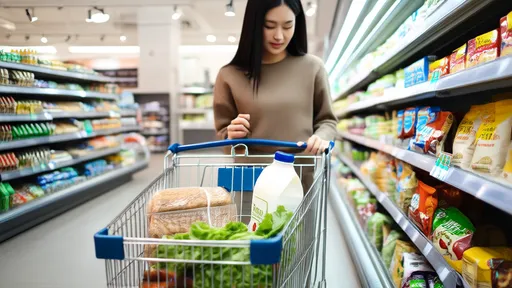
In the fast-paced modern world, frozen foods have become a staple in many households, offering convenience without compromising too much on nutrition. However, not all frozen foods are created equal when it comes to preserving essential nutrients. A closer look at the nutritional retention in various frozen products reveals surprising differences, making it crucial for consumers to understand which options provide the best health benefits.
The process of freezing itself is a well-established method for preserving food, as it slows down enzyme activity and microbial growth that cause spoilage. Yet, the extent to which vitamins, minerals, and other nutrients are retained depends on several factors, including the type of food, the freezing method, and storage conditions. For instance, vegetables and fruits frozen at peak ripeness often retain higher nutrient levels compared to their fresh counterparts that have been transported long distances or stored for extended periods.
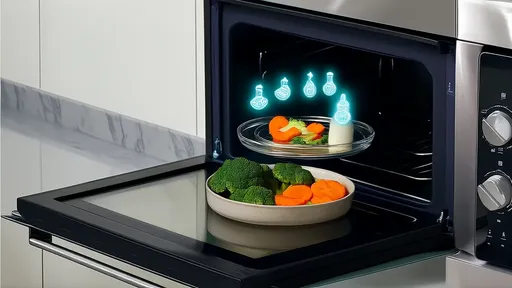
Vegetables lead the pack when it comes to nutrient retention in frozen foods. Studies have shown that frozen broccoli, spinach, and green beans maintain high levels of vitamins C and E, as well as antioxidants, even after months in the freezer. The quick blanching process before freezing helps deactivate enzymes that would otherwise degrade these nutrients over time. This makes frozen vegetables a reliable choice for those looking to maintain a nutrient-rich diet without frequent grocery trips.
On the other hand, frozen fruits like berries and mangoes also score high on the nutritional retention scale. The rapid freezing techniques used by commercial producers lock in vitamins and phytochemicals, preserving their health benefits. Blueberries, for example, retain most of their anthocyanins—powerful antioxidants linked to improved brain function and reduced inflammation—even after being frozen for up to a year. This makes frozen berries an excellent addition to smoothies, oatmeal, or yogurt.
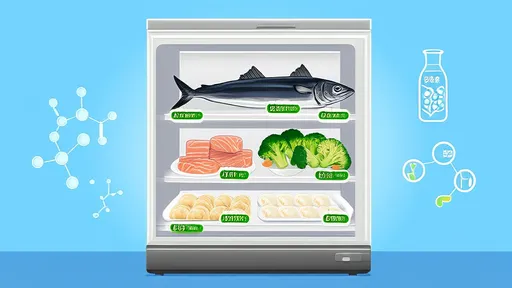
While plant-based frozen foods generally perform well, animal-based products such as meat and fish present a more nuanced picture. Lean meats like chicken and turkey retain their protein content effectively when frozen, but certain B vitamins, particularly thiamine, can degrade over time. Fish, especially fatty varieties like salmon, maintain their omega-3 fatty acids well under freezing conditions, though improper storage or repeated thawing can lead to nutrient loss and texture changes.
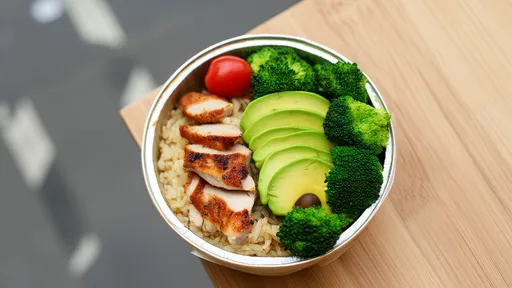
Prepared frozen meals, despite their convenience, often lag behind in nutritional retention. Many of these products undergo extensive processing, which can strip away nutrients even before freezing. Additionally, high sodium levels and preservatives used to enhance flavor and shelf life further diminish their nutritional value. Consumers seeking healthier frozen options should scrutinize ingredient lists and opt for meals with whole, recognizable ingredients and minimal additives.
Storage practices play a pivotal role in maintaining the nutritional quality of frozen foods. Temperature fluctuations caused by frequent opening of the freezer or improper packaging can accelerate nutrient degradation. Vacuum-sealed or airtight packaging helps mitigate this issue by reducing exposure to oxygen, which can degrade sensitive vitamins like vitamin C and folate. For optimal results, frozen foods should be stored at a consistent temperature of 0°F (-18°C) or below.
As the demand for convenient yet healthy food options grows, food manufacturers are investing in advanced freezing technologies to better preserve nutrients. Individual quick freezing (IQF), for instance, freezes each piece of food separately, minimizing ice crystal formation and cell damage. This method is particularly effective for delicate items like seafood and berries, ensuring that texture and nutritional content remain intact for longer periods.
Ultimately, the nutritional value of frozen foods hinges on both production methods and consumer handling. While frozen vegetables and fruits often outperform fresh produce in nutrient retention, other categories like prepared meals require more careful selection. By understanding these nuances, consumers can make informed choices that align with their health goals without sacrificing convenience.

By /Jul 28, 2025

By /Jul 28, 2025
By /Jul 28, 2025
By /Jul 28, 2025

By /Jul 28, 2025

By /Jul 28, 2025
By /Jul 28, 2025
By /Jul 28, 2025

By /Jul 21, 2025

By /Jul 28, 2025
By /Jul 28, 2025

By /Jul 28, 2025
By /Jul 28, 2025

By /Jul 28, 2025
By /Jul 28, 2025

By /Jul 28, 2025

By /Jul 28, 2025

By /Jul 28, 2025

By /Jul 28, 2025

By /Jul 28, 2025
