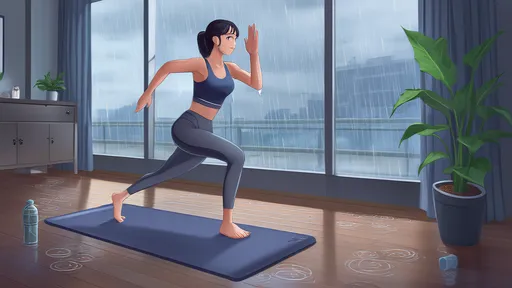
The pitter-patter of rain against the windowpane often brings with it a sense of coziness, but for fitness enthusiasts, it can also signal a disruption to outdoor workout routines. When the skies open up and the streets become slick with moisture, the motivation to exercise can dwindle as quickly as the daylight on a stormy afternoon. However, rainy days don’t have to mean skipped workouts or lost momentum. With a well-structured indoor aerobic plan, you can turn your living space into a personal gym, maintaining your fitness goals without ever needing to step outside.
Indoor aerobic exercises offer a versatile solution to weather-related disruptions. Unlike outdoor activities, which are often at the mercy of the elements, indoor workouts provide a controlled environment where intensity, duration, and comfort can be tailored to individual preferences. The key lies in selecting movements that elevate the heart rate, engage multiple muscle groups, and sustain energy expenditure—all within the confines of your home. From high-energy dance routines to stair climbing and shadow boxing, the options are limited only by creativity and available space.
One of the most accessible forms of rainy-day cardio is jump rope. Often overlooked in favor of high-tech gym equipment, this simple tool delivers an unparalleled cardiovascular workout. Just 10 minutes of jumping rope can burn as many calories as 30 minutes of jogging, making it an efficient choice for those pressed for time. The rhythmic motion also enhances coordination and agility, while the adjustable intensity allows beginners and advanced athletes alike to tailor the workout to their fitness level. For those concerned about noise or space, opting for a mat or practicing in a carpeted area can minimize impact.
For those who prefer low-impact options, aerobic step routines provide an excellent alternative. Using a raised platform or even a sturdy household item like a thick book, stepping up and down in sync with upbeat music can get the blood pumping without straining joints. This type of exercise not only improves cardiovascular health but also strengthens the lower body, particularly the glutes, quadriceps, and calves. To increase the challenge, incorporate arm movements or handheld weights, transforming a simple step routine into a full-body workout.
Dance-based aerobics, whether following along with online tutorials or freestyling to favorite playlists, inject fun into fitness. The spontaneous nature of dance makes it easy to forget you’re even exercising, yet the calorie burn and endurance benefits are substantial. Styles like Zumba, hip-hop, or even belly dancing can be adapted to small spaces, requiring nothing more than a cleared floor and enthusiasm. The psychological boost of moving to music further enhances the experience, making it a powerful tool for combating the gloom of rainy days.
Shadow boxing is another indoor-friendly option that packs a serious punch in terms of cardiovascular benefits. Mimicking the movements of boxing without an opponent or equipment, this workout improves stamina, reflexes, and upper-body strength. Alternating between jabs, crosses, and hooks at a rapid pace keeps the heart rate elevated while engaging the core for stability. For added intensity, incorporate footwork drills or squat variations between combinations, turning the session into a dynamic, full-body routine.
Stair climbing, when available, transforms an ordinary household feature into a powerful fitness tool. Repeatedly ascending and descending stairs works the legs and lungs with remarkable efficiency. To prevent monotony, vary the stepping patterns—taking two steps at a time, sidestepping, or even incorporating pauses for calf raises on each step. The vertical nature of the movement also engages stabilizing muscles often neglected in flat-surface cardio, promoting better balance and functional strength.
For those seeking a more meditative approach, tai chi or aerobic yoga flows can provide both physical and mental benefits. While traditionally viewed as low-intensity, certain styles incorporate continuous movement sequences that elevate the heart rate while maintaining focus on breath and form. The controlled motions improve flexibility and joint health, making these practices particularly valuable for individuals with mobility concerns or those recovering from injury.
Hydration and proper ventilation remain crucial, even when exercising indoors. The absence of wind and changing outdoor temperatures can cause indoor spaces to become stuffy quickly, potentially leading to overheating. Keep water nearby and consider using a fan to circulate air, especially during high-intensity intervals. Similarly, wearing appropriate footwear—even indoors—can prevent slips on hard surfaces and provide necessary support during lateral movements.
Rainy days might obscure the sun, but they don’t have to darken your fitness routine. By embracing the versatility of indoor aerobic exercises, you can maintain—or even enhance—your physical conditioning regardless of the weather. The convenience of home workouts eliminates excuses, while the variety of available movements ensures continuous challenge and progress. When the next storm rolls in, view it not as an obstacle, but as an opportunity to explore new dimensions of your fitness journey within the comfort of your own space.

By /Jul 28, 2025

By /Jul 28, 2025

By /Jul 28, 2025

By /Jul 28, 2025
By /Jul 28, 2025

By /Jul 28, 2025

By /Jul 28, 2025

By /Jul 28, 2025
By /Jul 21, 2025

By /Jul 28, 2025

By /Jul 28, 2025

By /Jul 28, 2025

By /Jul 28, 2025

By /Jul 28, 2025

By /Jul 28, 2025

By /Jul 28, 2025

By /Jul 28, 2025
By /Jul 28, 2025

By /Jul 28, 2025

By /Jul 28, 2025
