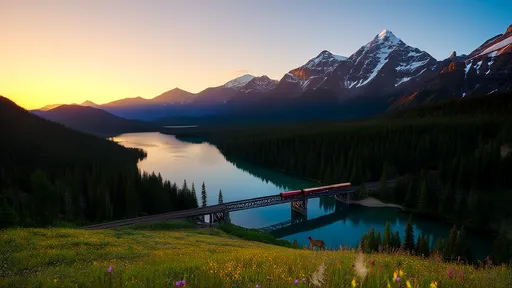
Nestled between the snow-capped Alps and the rolling Jura mountains, Switzerland's lake district unfolds like a living watercolor painting. The morning mist rises from the glassy surfaces of Lake Geneva, revealing the distant silhouette of Mont Blanc across the border in France. Here, where the air carries the crisp scent of pine and freshwater, one understands why this landscape has inspired poets and painters for centuries.
The Swiss lakes possess a particular magic that changes with the light. At dawn, the waters appear as polished silver, perfectly mirroring the surrounding peaks. By midday, when the sun reaches its zenith, the lakes transform into brilliant sapphire pools that seem to absorb the very sky. Local fishermen have long claimed that each lake has its own personality—Lake Lucerne with its dramatic fjord-like arms, Lake Zurich with its sophisticated urban shoreline, and Lake Thun with its medieval castles perched along the edges.
What makes these landscapes particularly captivating is their accessibility. Switzerland's legendary efficiency extends to its relationship with nature. One can board a train in Zurich's bustling Hauptbahnhof and within twenty minutes find oneself walking along the pristine shores of Lake Zurich, watching swans glide across water so clear you can see the stones at the bottom. This seamless integration of urban life and natural splendor remains one of Switzerland's most remarkable qualities.
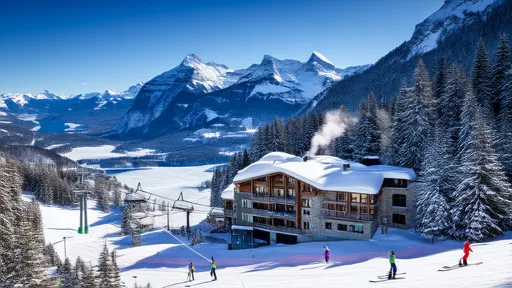
The changing seasons bring dramatic transformations to the lake regions. Spring arrives with a burst of wildflowers along the water's edges and the melodic ringing of cowbells as herds return to higher pastures. Summer turns the lakes into playgrounds for sailing, swimming, and paddleboarding, with lakeside cafes filling with visitors enjoying fondue and local white wine. Autumn sets the hillsides ablaze with gold and crimson, while winter wraps the landscape in silent white, with steam rising from the lakes like breath in the cold air.
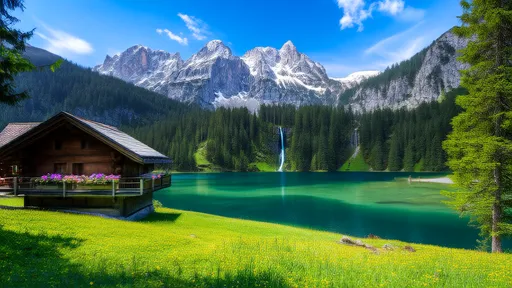
Beyond the well-known destinations lie hidden gems that only locals seem to know about. Lake Cauma in Graubünden, with its astonishing turquoise waters, remains relatively unknown to international tourists. The tiny village of Brunnen on Lake Lucerne offers perspectives of the mountains that feel almost theatrical in their grandeur. And in the Engadin Valley, the lakes freeze so perfectly in winter that they become natural skating rinks stretching for miles.
The cultural life surrounding the lakes is as rich as the landscapes themselves. From the elegant promenades of Montreux, where jazz festivals fill the summer air with music, to the traditional wooden boats that still transport milk from alpine farms across Lake Brienz, the lakes serve as both backdrop and participant in Swiss daily life. The sound of church bells echoing across the water creates an auditory landscape as distinctive as the visual one.
Environmental preservation has become increasingly central to Switzerland's relationship with its lakes. Strict regulations protect water quality, and conservation efforts ensure that development never overwhelms the natural beauty. The Swiss have mastered the art of enjoying their landscapes while leaving them undisturbed—a balance many countries struggle to achieve. This careful stewardship means that future generations will experience the same breathtaking views that have captivated visitors for centuries.
The interplay between water and mountains creates microclimates that support diverse ecosystems. On the southern shores of Lake Lugano, palm trees grow in a climate that feels almost Mediterranean, while just miles away, the northern slopes might retain snow well into spring. This geographical diversity means that within a single day, one can experience multiple climates and landscapes, all connected by the shimmering blue threads of Switzerland's lakes.
Local traditions remain deeply connected to the lakes. Fishermen still use methods passed down through generations, and festivals celebrating the water's bounty occur throughout the year. In places like Lake Neuchâtel, winemakers produce exceptional vintages from vineyards that slope directly down to the water's edge, their roots nourished by the unique mineral composition of the lakeside soil.
Transportation across and around the lakes has evolved into an experience in itself. The elegant white steamers that have plied these waters since the Belle Époque continue to operate, their polished brass and varnished wood evoking a more leisurely era. Meanwhile, modern electric ferries glide silently between villages, demonstrating Switzerland's commitment to sustainable tourism.
The psychological impact of these landscapes cannot be overstated. There's a particular quality of light reflected from water surrounded by mountains that seems to clarify thought and elevate mood. Scientists have studied why people feel better near water—calling it "blue mind"—and Switzerland's lakes provide the perfect laboratory for this phenomenon. The combination of altitude, clean air, and the calming presence of water creates an environment that feels both exhilarating and deeply peaceful.
Architecture around the lakes reflects a deep understanding of how to build in harmony with spectacular surroundings. From the grand hotels of the 19th century to contemporary designs that seem to float above the water, Swiss architects have consistently created structures that complement rather than compete with the natural beauty. The use of local materials—wood, stone, and slate—ensures that buildings feel rooted in their environment.
As climate change affects mountain regions worldwide, Switzerland's lakes serve as important indicators of environmental health. Glacial melt feeds many of these lakes, and scientists carefully monitor water levels and temperatures. The Swiss have become leaders in developing sustainable practices that protect these precious resources while still allowing people to experience their beauty.
The lakes have witnessed centuries of history—from Roman settlements to the birth of the Swiss Confederation. Castles and fortifications along their shores tell stories of strategic importance, while grand hotels speak of the Grand Tour and the birth of modern tourism. The lakes have been witnesses to peace treaties and wartime strategies, to artistic movements and technological innovations.
Perhaps the most remarkable quality of Switzerland's lake district is its ability to make the spectacular feel intimate. However grand the scale of the mountains, however vast the expanse of water, there are always quiet corners where one can feel completely alone with nature. A hidden cove, a bench beneath ancient trees, a meadow sloping gently to the water's edge—these are the spaces where the true magic of the Swiss lakes reveals itself.
As evening falls across the lake country, the setting sun paints the peaks in shades of rose and gold. The waters grow calm, reflecting the first stars appearing in the darkening sky. In the distance, lights begin to twinkle in villages scattered along the shores. This daily transformation from day to night remains one of the most moving experiences the Swiss lakes offer—a perfect ending to days spent between water and mountains, and a promise of beauty yet to come.

By /Aug 4, 2025
By /Nov 7, 2025
By /Nov 7, 2025
By /Nov 7, 2025
By /Nov 7, 2025
By /Nov 7, 2025
By /Nov 7, 2025

By /Nov 7, 2025

By /Aug 4, 2025
By /Nov 7, 2025
By /Nov 7, 2025
By /Nov 7, 2025

By /Aug 4, 2025
By /Nov 7, 2025
By /Nov 7, 2025
By /Nov 7, 2025
By /Aug 4, 2025
By /Nov 7, 2025

By /Nov 7, 2025
By /Nov 7, 2025
