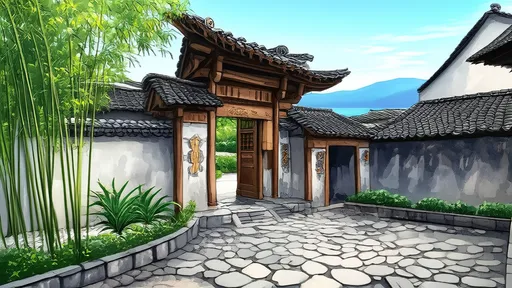
Nestled along the ancient Tea Horse Road in Fengyangyi Village, a quiet revolution in hospitality is taking root. The courtyard-style guesthouses collectively known as "Windy Courtyard" have become an unexpected bridge between China's caravan history and contemporary travel culture. These restored traditional dwellings offer more than just accommodation—they serve as living museums of the region's mercantile past while providing a template for sustainable cultural tourism.
The cobblestone paths leading to these guesthouses still bear the grooves left by centuries of horse hooves carrying pu'er tea bricks to Tibet. Local artisans spent months repairing the original rammed-earth walls using traditional techniques, mixing clay with straw and pine needles as their ancestors did. What emerges is neither sterile preservation nor careless modernization, but rather a thoughtful dialogue between heritage and comfort. Thick walls maintain cool interiors during sweltering summers while newly installed skylights allow guests to stargaze from their beds—a subtle luxury unknown to the muleteers who once slept in these same spaces.
Breakfast at these guesthouses often includes Yunnan cheese, a lesser-known dairy tradition sustained by the caravan routes that connected Tibetan and Bai culinary practices. Guests might find this served alongside indigenous coffee varieties—another unexpected legacy of the trade routes. The proprietors have meticulously researched historical menus, reviving dishes like tea-smoked pork ribs that would have sustained travelers on their arduous journeys. Dining areas frequently double as exhibition spaces, with placemats detailing the origins of each ingredient along the ancient network of trails.
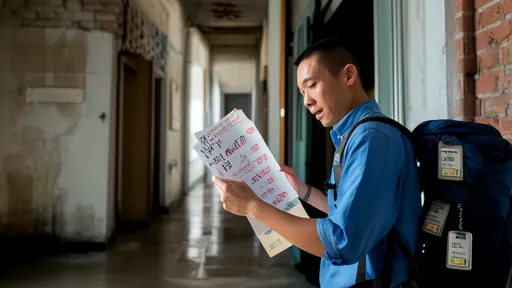
What sets these lodgings apart is their commitment to slow tourism. Rather than offering packed itineraries, they provide hand-drawn maps marking nearly forgotten sections of the Tea Horse Road suitable for half-day walks. Along these routes, guests encounter not scenic overlooks but working artisans—blacksmiths forging traditional horse shoes, weavers making saddle blankets using natural dyes. The guesthouses operate on an unspoken rule: for every modern convenience added (rain showers, wifi), one historical element must be authentically restored. This philosophy has attracted a discerning clientele more interested in participating in living history than checking off landmarks.
The restoration projects have sparked unexpected economic ripples through Fengyangyi. Young people are returning from cities to apprentice in nearly extinct crafts like wooden saddle-making, while local farmers have developed heritage crop varieties to supply the guesthouse kitchens. Evening storytelling sessions led by elderly villagers—once poorly attended—now draw full courtyards of guests sipping homemade hawthorn wine. This cultural exchange flows both ways; some guesthouses offer calligraphy workshops where visitors learn to write caravan travelogues in the style of ancient merchants.
Seasonal rhythms dictate many guesthouse activities. During the rainy season, workshops focus on indoor crafts like traditional waterproof cloak weaving using palm fibers. Autumn brings walnut harvesting and oil pressing demonstrations—the very commodities that once traveled these trade routes. Winter guests might participate in making preserved meats using caravan-era techniques, while spring welcomes herb-foraging walks with Bai medicine practitioners. This cyclical programming ensures repeat visitors experience something new while keeping traditions alive year-round.
Critically, the Windy Courtyard model demonstrates how cultural preservation can be economically viable without becoming exploitative. Room rates include contributions to the village heritage fund, which has financed the restoration of communal spaces like the ancient water distribution system. Unlike some "living history" projects that feel staged, these guesthouses thrive on authenticity—the creak of centuries-old floorboards isn't a sound effect but a genuine artifact of the building's endurance. As more sections of the Tea Horse Road gain UNESCO recognition, these humble courtyard accommodations offer a blueprint for sustainable heritage tourism that benefits both travelers and host communities.
The guesthouses have inadvertently become archives of intangible cultural heritage. Their guest books contain not just reviews but handwritten recipes, sketches of disappearing architectural details, and oral histories recorded by visitors with anthropology backgrounds. Some rooms now feature QR codes linking to interviews with the last surviving caravan guards, creating an unexpected bridge between digital technology and oral tradition. This organic documentation approach has attracted academic partnerships, with several universities using the site for field research on sustainable tourism models.
As night falls in Fengyangyi, the courtyards take on a magical quality. The same stone troughs that once watered trade horses now hold floating candles, while reconstructed oil lamps cast shadows that might have been familiar to Ming dynasty merchants. In these moments, the Windy Courtyard guesthouses achieve their most remarkable feat—not just preserving history, but making it breathe. Travelers retire to beds positioned exactly where muleteers once slept, yet with the comfort of knowing tomorrow's breakfast will include both ancient recipes and freshly roasted local coffee—a perfect metaphor for this innovative approach to heritage hospitality.

By /Aug 4, 2025

By /Nov 7, 2025

By /Nov 7, 2025

By /Nov 7, 2025

By /Nov 7, 2025

By /Nov 7, 2025

By /Nov 7, 2025

By /Nov 7, 2025
By /Aug 4, 2025

By /Nov 7, 2025

By /Nov 7, 2025

By /Nov 7, 2025
By /Aug 4, 2025

By /Nov 7, 2025
By /Nov 7, 2025

By /Nov 7, 2025
By /Aug 4, 2025

By /Nov 7, 2025

By /Nov 7, 2025

By /Nov 7, 2025
